
Research capability
Advanced Materials
Compare materials and understand how they behave under the conditions you need to test.
Capability overview
Practical questions, defined methods.
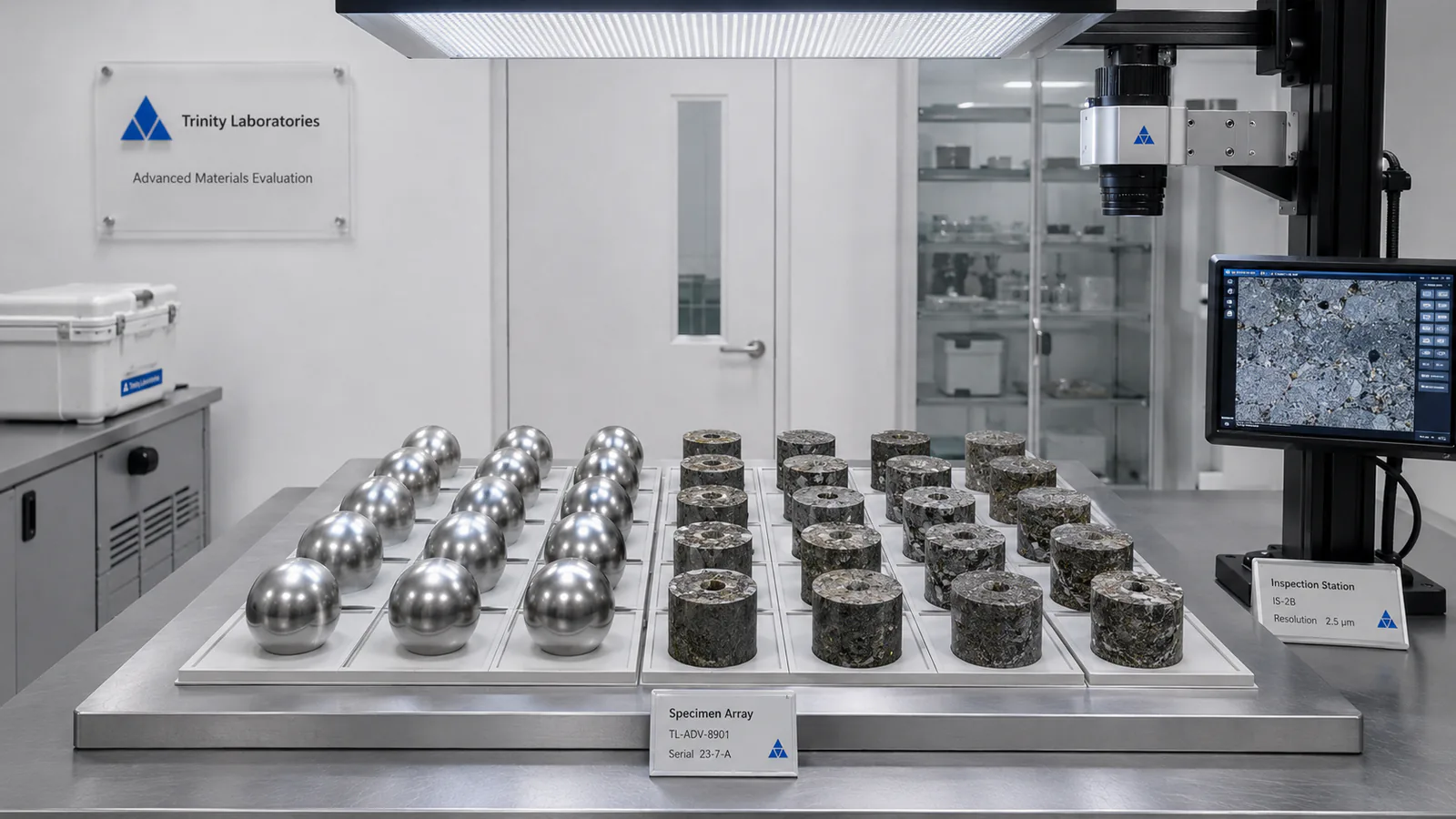
We examine how material samples change, recover, adhere, or remain stable under a defined observation plan. The work is scoped to the material, environment, and decision the study needs to support.
Questions we address
Start with the decision the work needs to support.
- 01
How consistently does a material behave across repeated samples or batches?
- 02
Which observable changes occur under a controlled environmental or handling condition?
- 03
Does a proposed preparation or inspection method produce repeatable observations?
Typical approach
Methods and project inputs.
Specific methods are selected after the question, material, and intended use are clear.
Methods may include
- Comparative bench observations
- Conditioned sample intervals
- Dimensional and surface review
- Fixed-category visual assessment
Useful project inputs
- A defined material or sample family
- The intended condition or comparison
- Acceptance questions and practical constraints
Typical deliverables
Work that can be reviewed and used.
- Documented observation plan
- Comparison tables and method notes
- Technical summary with stated limitations
Boundaries
What the work does not assume.
- Bench studies do not substitute for certification or field qualification.
- Results apply to the samples and conditions included in the study.
- Material composition is not inferred beyond the measurements performed.
Public technical notes
Examples from the archive.
Released notes show how we frame routine questions, methods, observations, and limitations.
- Read technical note
Fine-Aggregate Moisture Correction Trial
Mass-based moisture corrections were compared with the routine field estimate for fine aggregate; the simplified correction remained suitable for screening work.
- Read technical note
Ambient-Cure Sealant Observation Series
Bench observations compared tack-free and final cure intervals for three development batches; all remained inside the then-current working range.
Discuss a project
Tell us what you need to understand.
A useful first conversation covers the question, available material, timing, and intended decision.